Blog
Yin-Yang Meridians: Exploring the Millennia-Intertwined Wisdom of TCM and Mysticism

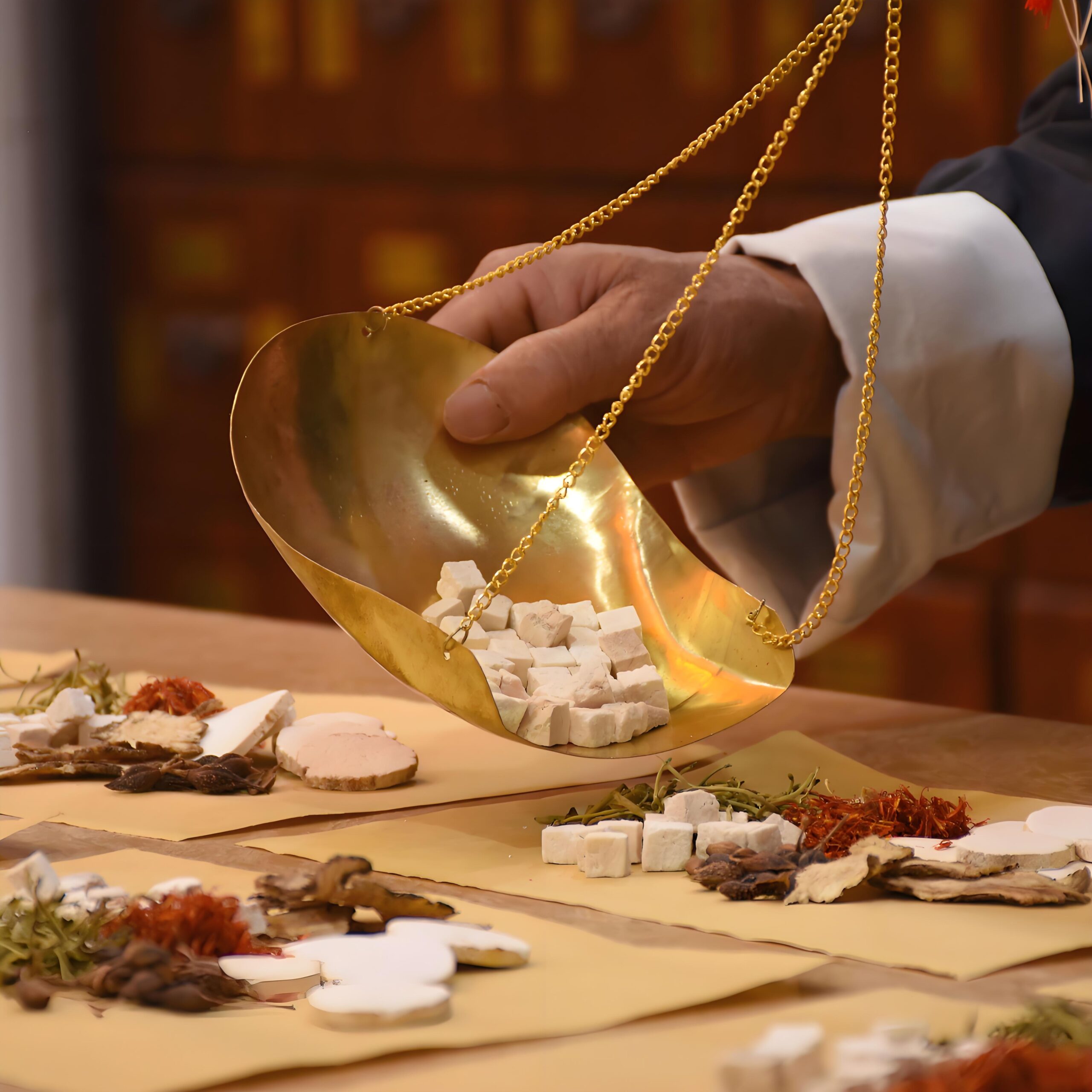
One bundle of herbs, one silver needle, one compass — these seemingly unrelated tools together sketch the mysterious contours of Eastern wisdom on life.
Traditional Chinese Medicine (TCM) and mysticism, two rivers flowing through Chinese civilization, have long intertwined and merged in the historical channel. They share the same code for interpreting the universe: the waxing and waning of yin and yang, the generation and restraint of the five elements, and the resonance between heaven and humanity. Understanding this profound connection is not only a tracing of traditional culture but also the key to unlocking holistic wellness.
1. Shared Origins: The Common Philosophical Foundation of TCM and Mysticism
Yin-Yang & Five Elements: The Universal Language
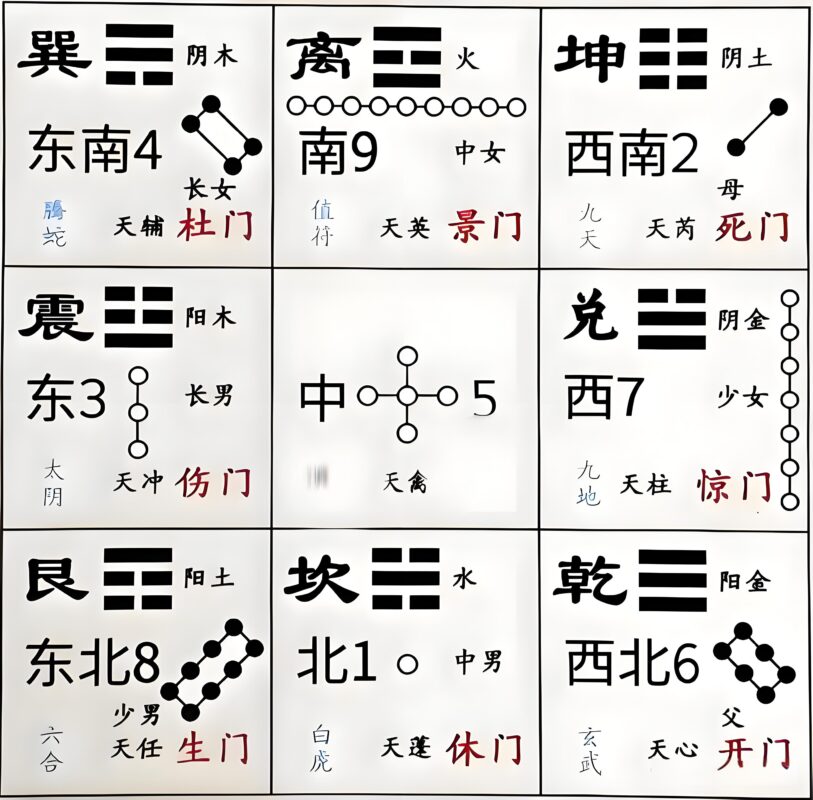
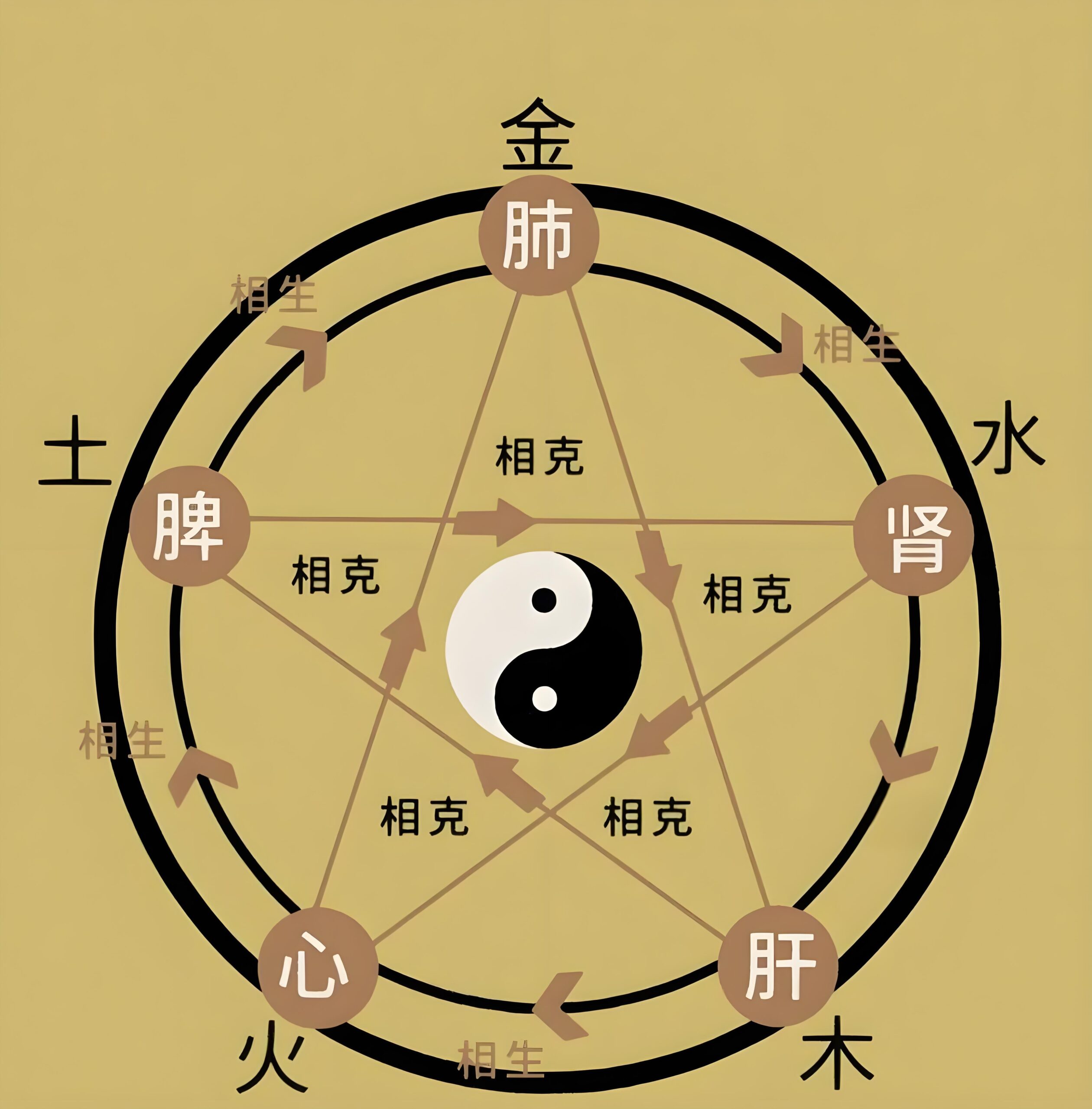
TCM views the human body as a miniature universe: the liver corresponds to wood, the heart to fire, the spleen to earth, the lungs to metal, and the kidneys to water—the five organ systems strictly align with the five elements. Similarly, mysticism’s feng shui layouts and destiny analysis follow the same laws. The “forest-village-water system” ecological chain in Yunnan’s Hani Rice Terraces mirrors the five elements’ interactions, exemplifying the theory’s universal applicability in natural harmony.
The Universe of “Qi”: The Subtle Bond of Energy Flow
TCM’s “meridians” and mysticism’s “energy fields” are fundamentally connected. Modern terahertz imaging reveals: the energy distribution of human meridians shares an 89.7% structural similarity with the cosmic dark matter network. This explains why Taoist healers treat illnesses not only with herbs and acupuncture to adjust the body but also with directional colors to modify environmental energy fields, creating a unique “body-spirit dual treatment” system.
2. Historical Convergence: From Shamanistic Rites to Taoist-Medicine Unity
Shaman-Physician Origins: The Mystical Roots of TCM
Ancient “shaman-physicians” were originally one. Oracle bone inscriptions show the character “疒” (disease) often accompanied by sacrificial symbols, revealing the symbiosis of healing and mystical rituals. Even after The Yellow Emperor’s Inner Canon systematized medicine, “Zhuyou therapy” (incantation healing) remained part of the official 13 medical disciplines.
Taoist-Medicine Flourishing: Millennia of Experiments by Alchemists
Wei-Jin philosopher Ge Hong stated in Baopuzi: “All early Taoist practitioners mastered medicine.” Tang Dynasty “King of Medicine” Sun Simiao fused breathwork, alchemical elixirs, and herbs in Essential Formulas for Emergencies. These practices birthed the concept of “superior tonics” (Shangpin Yangming)—texts like Shennong’s Herbal Classic ranked cinnabar and lingzhi as “celestial medicines,” aligning with mysticism’s quest for longevity.
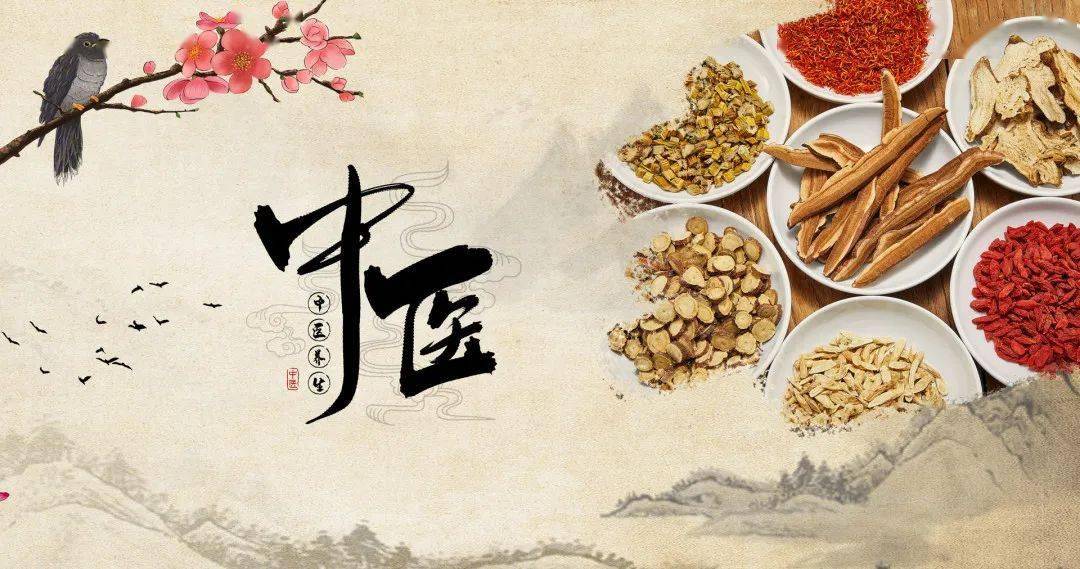
[Image: Ancient Chinese Alchemist Preparing Herbs]
3. Symbiotic Techniques: TCM Wisdom in Mystical Practices
TCM and mysticism exhibit striking technical complementarity:
| Mystical Practice | TCM Theoretical Basis | Synergistic Effect |
|---|---|---|
| Feng Shui Adjustments | Heaven-Human Resonance Theory | Optimizes environmental Qi for smooth blood flow |
| Chrono-Acupuncture (Zi Wu Liú Zhù) | Meridian Energy Tide Patterns | Enhances treatment efficacy via natural rhythms |
| Fasting & Diet Therapy | Spleen-Stomach as Postnatal Root | Reduces digestion load to activate self-healing |
The Max Planck Institute discovered: Quantum fingerprints of TCM herbs follow the “sovereign-minister-assistant-envoy” entanglement pattern, validating mysticism’s intuition of “universal resonance” at a quantum level.
4. Modern Revelations: Ancient Wisdom Meets Quantum Science
Addressing skepticism about TCM’s scientific validity, cutting-edge research bridges gaps:
- •Chaos Theory Decodes Chrono-Acupuncture: Meridian energy fluctuations match the Lorenz attractor model, revealing the biological clock’s mathematical nature.
- •Infrared Imaging Captures “Qi” Trajectories: China Academy of Chinese Medical Sciences visualized meridians via biophoton imaging.
These findings show mysticism’s holistic worldview supplies the missing link in Western reductionism.
5. Energy Equilibrium: A Timeless Path to Wellness
Both TCM and mysticism aim for harmony:
- •Internally: Herbal formulas (e.g., Polygonum & Goji for yin nourishment) balance yin and yang.
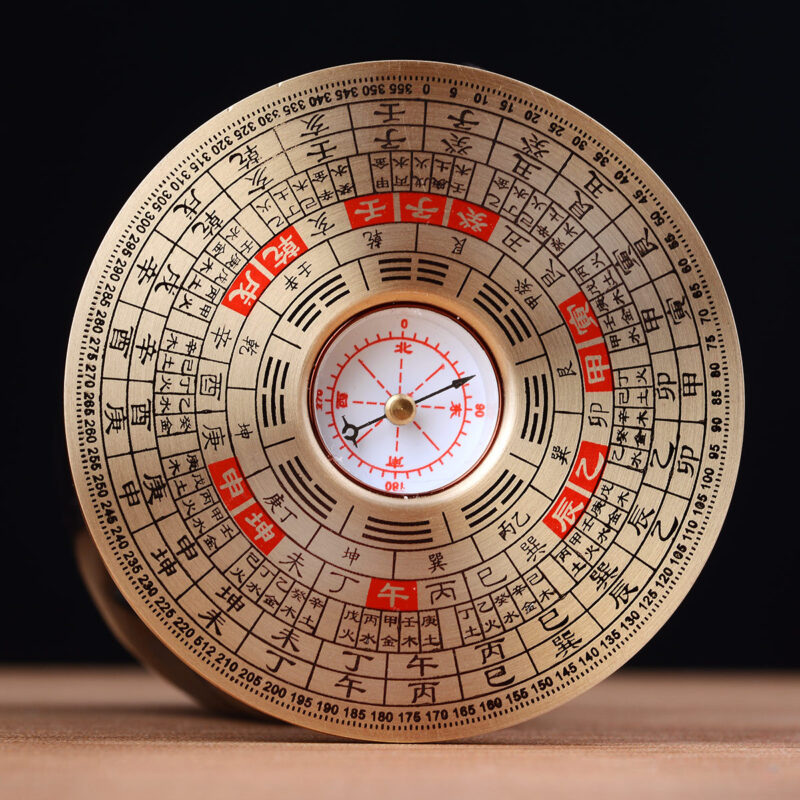
- •Externally: Feng shui tools (e.g., crystal grids, compasses) regulate environmental energy fields.
This is holistic wellness’ Eastern expression: Human health lies in organ harmony, emotional balance, and resonance with the environment.
Incense coils through Shanghai’s Jing’an Temple as mugwort smoke drifts in acupuncture clinics. When German labs detect entanglement in danggui and chuanxiong, when Hani terraces channel water along five-element paths—we grasp it: the compass symbols and herb drawers are shards of the same cosmic blueprint.
Epilogue: Begin Your Energy Healing Journey
The fusion of TCM and mysticism offers a comprehensive mind-body-environment system. From desk Ba-Gua mirrors to nightly sour jujube tea, from five-element bracelets to moxa on Zusanli—balance resides in all things.
Ready to Embrace Ancient Wisdom?
👉 [Discover Our Crystal Collections / Five-Element Sachets / Chrono-Acupuncture Clocks] Activate your primal vitality with mystical medical wisdom.